

Echoes From a Shtetl – Some Personal Reflections on a Beautiful Concert
By Dame Lesley Max
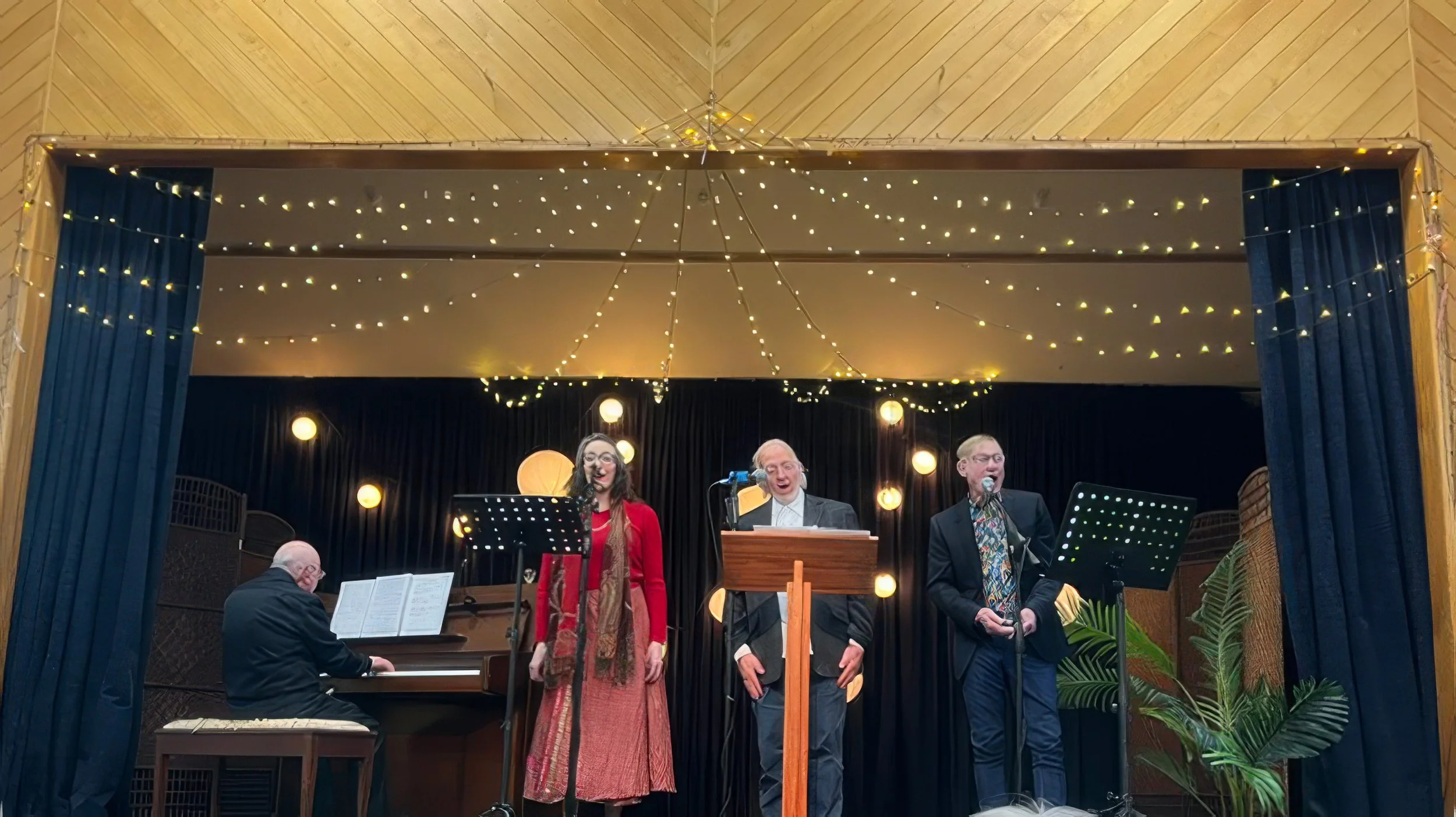
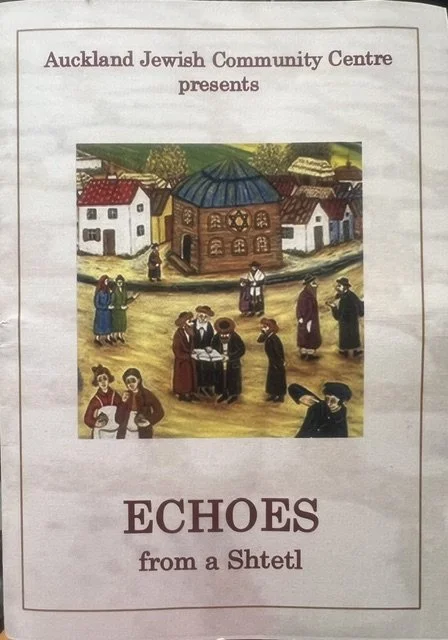
Sunday 9th August 2026 was the date of a memorable concert at the Auckland Jewish Community Centre. The name – Echoes from a Shtetl – was apt. Many of those attending would have had memories from parents or grandparents singing some of those songs. The Yiddish language is so very evocative and such a link to the past for those of us whose families spent many generations in Eastern Europe, following our dispersion from Eretz Israel.
Tanya Hart’s commentary throughout provided background and insight into the world – the lost world – that was being evoked through music.
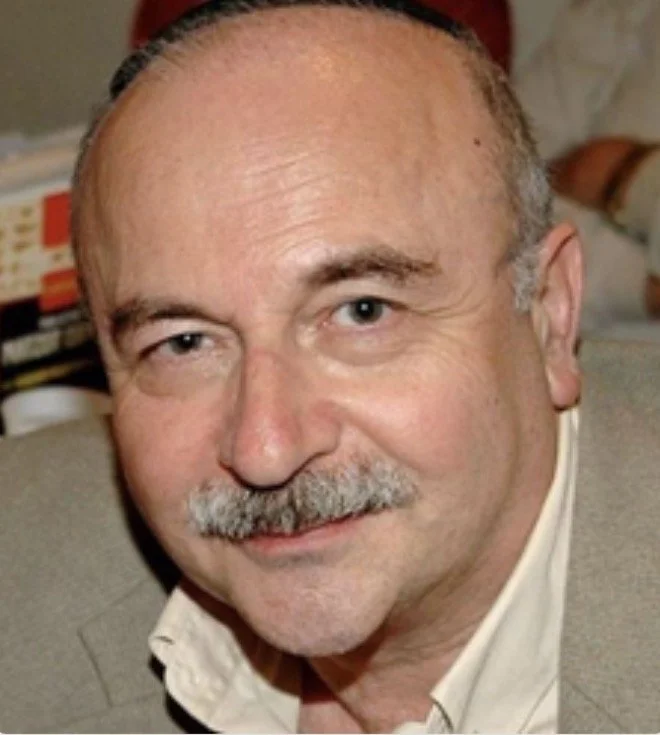
Mikhail Tablis
We are fortunate indeed to have in the Auckland Jewish community Mikhail Tablis who produced the concert and accompanied the singers at the piano. Mikhail was born into a Jewish family in Zhitomyr, then in the Soviet Union and now in Ukraine.
A pianist, musicologist and teacher, he later worked for many years at the Vologda Music College in Russia, where he taught piano and wrote on music for the press.
In Auckland he became a respected pianist and teacher, with more than a hundred of his pupils going on to win prizes in competitions in New Zealand and overseas.
Mikhail’s continuing engagement with Jewish culture is reflected not only in music but also in his Russian-language poetry and writing.
Bringing a beautiful depth to ‘A Chazan of Shabbos’ and ‘Az Der Rebbe Zingt’ was David Griffiths, one of New Zealand’s most experienced baritones. He has enjoyed a long career in opera, oratorio and recital performance. Winner of the 1983 Mobil Song Quest, he is also a respected composer and teacher of singing, and has held university appointments in Auckland, Otago and Waikato.
Soprano Theresa Ulmer is an experienced Auckland singer who has also performed regularly as a cantor and liturgical soloist at St Michael’s in Remuera. Her rendition of the lament ‘Varnitshkes’ about a young woman who is desperately trying to assemble what she needs to make dumplings – and seeking a young man with whom to eat them – caught something quintessential about Yiddish folk song: domestic, humorous and apparently light-hearted, yet with an underlying sense of the poverty, longing and precariousness of ordinary shtetl life.
As well as appreciating these new-to-us songs, such as ‘Varnitshkes’, the audience loved the familiar, such as Tum Balalaika, for my family, always ‘Mimi’s song’ – the song Mimi Nathan z”l sang, composing new verses for whatever family celebration it was.
Anthony Hart’s ‘Oyfn Pripechik’ – ‘On the Hearth’ - was one of the well-loved songs. I remember my mother singing it, an evocative song about a teacher, a melamed, teaching little boys their aleph beis by the fire, while looking to the future. I know that as she sang it, the Yiddish took her back to memories of her beloved Yiddish-speaking grandmother, Sheine Sprinze.
(I’m curious as to whether the reference is to an open fire, or rather the closed tiled stoves (kachelofen) that were of much greater use in the freezing northern winters than open fires that devoured fuel fast.)
Anthony also sang, most movingly, ‘A Yiddishe Mame’, with a tribute to his own dear mother, Margot z”l, a great contributor both to the Jewish community and the wider New Zealand community.
Anthony’s ‘Yerushalayim Shel Zahav’ had the audience singing, as did the finale, with the three singers joining in ‘Lomir Ale in Eynem’ together with the audience – ‘in Eynem’ indeed, singing as one.
There was intense appreciation for the musicians who had rehearsed for months to bring us this afternoon of delightful music, which connected us so heartwarmingly to our own past.